
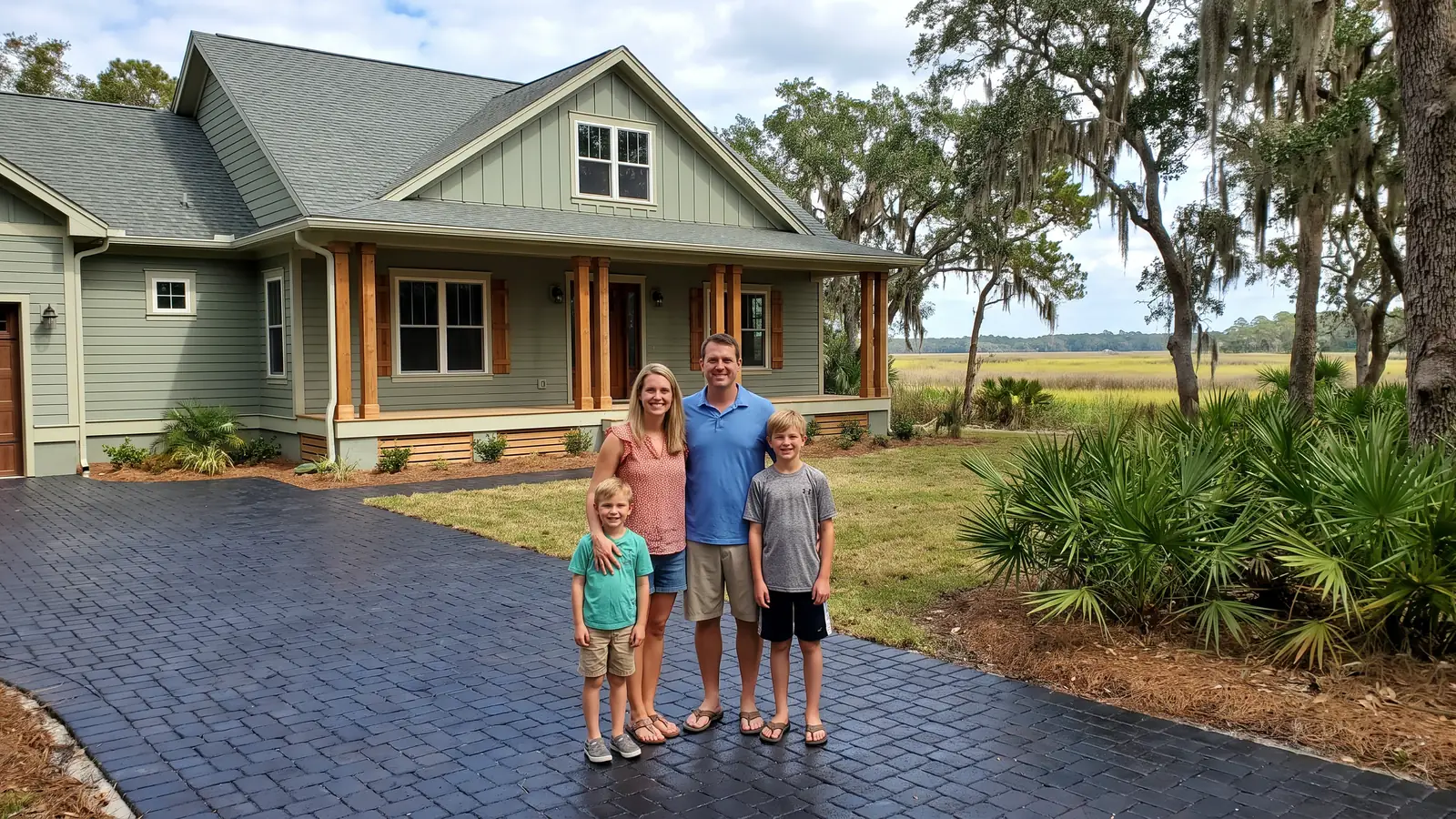
Paver sealing for Riverside homes
Paver Sealing in Riverside, FL
Riverside's oak-shaded walks and drives can get their color back: call (904) 479-0914 for a free estimate.
- Brings out deeper paver color
- Fresh joint sand helps lock pavers in place
- Gives weeds less room to grow
- Makes the surface easier to keep clean
- Free estimate, no obligation
Request a Free Estimate
Free, no obligation.
Fast, careful paver sealing in Riverside
Paver sealing in Riverside is a free estimate away, with a local contractor who cleans, re-sands and seals driveways, front walks, courtyards and pool decks. Expect to hear from someone inside 1 business day, usually much sooner. Call (904) 479-0914 and give your street, and the contractor can start from there.
Maybe the brick walk to your porch has gone dark under the oaks, and the joints hold more moss than sand. A wash, new sand and a coat can bring back the even color you remember. If you would like a price first, get a free estimate and tell the contractor what you see.
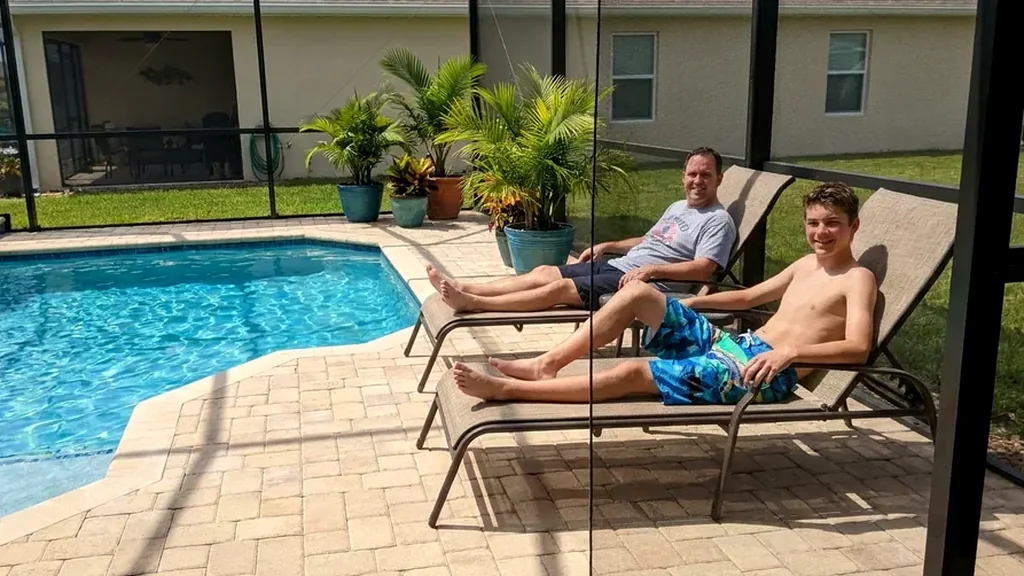
Why hire a local paver sealing contractor in Riverside?
Riverside has old oaks, historic-district paperwork and low ground near the river, and each one changes how a paver job is planned. A local contractor who knows those three things saves you a surprise, so get a free estimate and ask how they apply to your street.
A free look before a price
The contractor checks your Riverside pavers in person, then gives you a price. You agree to nothing until you say so.
A range to measure against
Around Northeast Florida, companies list $1.75 to $3.25 per square foot for the wash, the sand and the coat together. Hold your bid up to that range.
Sealer chosen for the surface
Brick, travertine and concrete soak up sealer differently. The contractor matches the product to your pavers and the finish you like.
You make the final call
Date, finish and go-ahead are yours. A Riverside estimate is free, with no obligation to hire anyone.
Get Your Free Estimate in Riverside
Tell us about your pavers in Riverside.
Free, no obligation
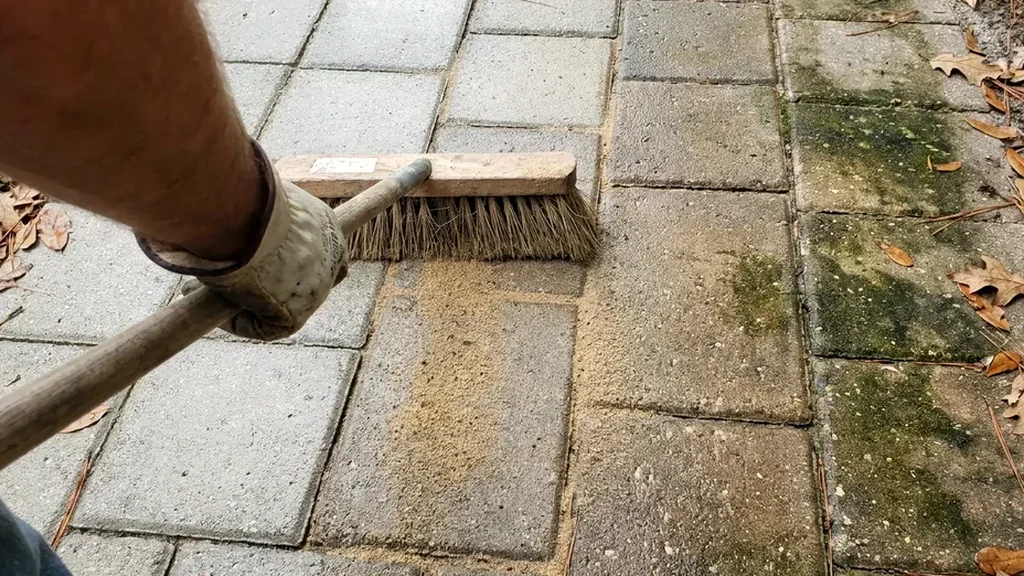
What paver problems show up most in Riverside?
Aging oaks and shade over the yard
The Jacksonville Daily Record reports that much of the tree canopy in Riverside and Avondale is aging, mostly laurel and water oaks planted after World War II that live about 60 to 70 years. The American Planning Association describes moss-draped oaks along the streets. Algae grows on pavers where shade is heavy and the surface stays damp. A Jacksonville cost guide adds that leaf tannin stains build up faster on shaded patios, so a shaded walk needs more cleaning time. If your front walk sits under a big oak, plan on that extra wash.
High water from the river and the creeks
News4Jax reports that Riverside had its highest storm surge in history during Hurricane Irma in 2017. Hurricane Ian in 2022 put water over Osceola Street and St. Johns Avenue, which often floods in heavy rain. Memorial Park went underwater during Nicole that same year. Pavers that sat under water can keep a film of grime, and sealer would lock that film in, so the wash comes first. Fresh sand in the joints matters after a flood too, since moving water can carry it away.
Brick, travertine and stone that drink sealer
A Jacksonville cost guide says travertine, natural stone and brick pavers are more porous than concrete and need different sealer chemistry. Riverside has plenty of older courtyards and front walks in those materials. A coat that suits a concrete driveway can look blotchy on porous brick. The contractor should name the product before it goes on, and test it on a small spot if the surface is unusual. Matte tends to suit old brick, while a wet look deepens the color of the clay.
Chlorine splash on pool decks
A Jacksonville paver company says Riverside pool decks see chlorinated splash-out that dries white. It quotes about 18 to 24 months between reseals for decks with chlorine or salt systems, and 24 to 36 months for shaded patios with light foot traffic. If your deck has white crust near the water line, say so at the first visit. The wash step has to deal with it before sealing. A deck that is shaded part of the day may also grow algae near the coping.
Oil, rust and tannin on driveways
One Jacksonville sealing company says driveways collect oil drips, tire marks, rust from irrigation water, fertilizer stains and tannins from oaks along the street. Another says unsealed oil and tannin stains can soak in for good, while a sealed surface rinses clean. Sealing locks in whatever is already there. That is why a stained Riverside driveway needs its stains treated before the coat, not after. A driveway that sits under a street tree needs the leaf stains cleared before the coat, because tannin shows through a clear finish.
Does paver sealing differ in Riverside, Avondale and Five Points?
The work is the same, but the questions change from street to street. Riverside is bounded by Interstate 10, the St. Johns River, Fishweir Creek and Roosevelt Boulevard, and the line between it and Avondale is unclear. Avondale was planned in 1920 and has Prairie School, Art Deco, Craftsman and Mediterranean Revival homes. Name your part of Riverside when you get a free estimate.
Five Points centers on Park, Lomax and Margaret Streets, and the King Street District began with Whiteway Corner in 1927. Willowbranch Park runs along Willowbranch Creek, and Memorial Park sits on the river, so both areas see standing water in heavy rain. Gates, stairs and narrow side yards all add prep time, says a Jacksonville cost guide. If your lot has any of those, call (904) 479-0914 and say how the gear will reach the back.
Riverside Avondale became a local historic district in 1998, and a Certificate of Appropriateness is required before exterior changes. The city lists site work such as driveways as an example. Riverside Avondale Preservation says many small projects are handled by city staff in up to a few weeks, with no public hearing. Check your address on the city map, then get a free estimate once you know what applies.
What does paver sealing cost in Riverside?
Around Northeast Florida, companies list $1.75 to $3.25 per square foot for the wash, the sand and the coat together. Smaller jobs cost more per square foot, a Jacksonville cost guide says, because prep time does not shrink with the surface. A single courtyard in Riverside may price higher per foot than a long driveway. For a number that fits your pavers, get a free estimate.
Porous brick, travertine and stone need their own sealer chemistry, which can change the price. Pavers behind a gate, up stairs or in a narrow side yard add prep time. Failing old sealer may need stripping first. Call (904) 479-0914 and the contractor can tell you which of these apply before the estimate.
| Paved area | Typical example | Clean, sand and seal |
|---|---|---|
| 300 sq ft | Small patio or walkway | $525 to $975 |
| 600 sq ft | Two car driveway | $1,050 to $1,950 |
| 1,000 sq ft | Large driveway or pool deck | $1,750 to $3,250 |
| 1,500 sq ft | Driveway plus pool deck | $2,625 to $4,875 |
Math based on the $1.75 to $3.25 per square foot that Northeast Florida paver companies published as of November 2026. Your contractor sets the actual price after seeing the surface. Repairs, leveling and stripping failed sealer are usually extra.
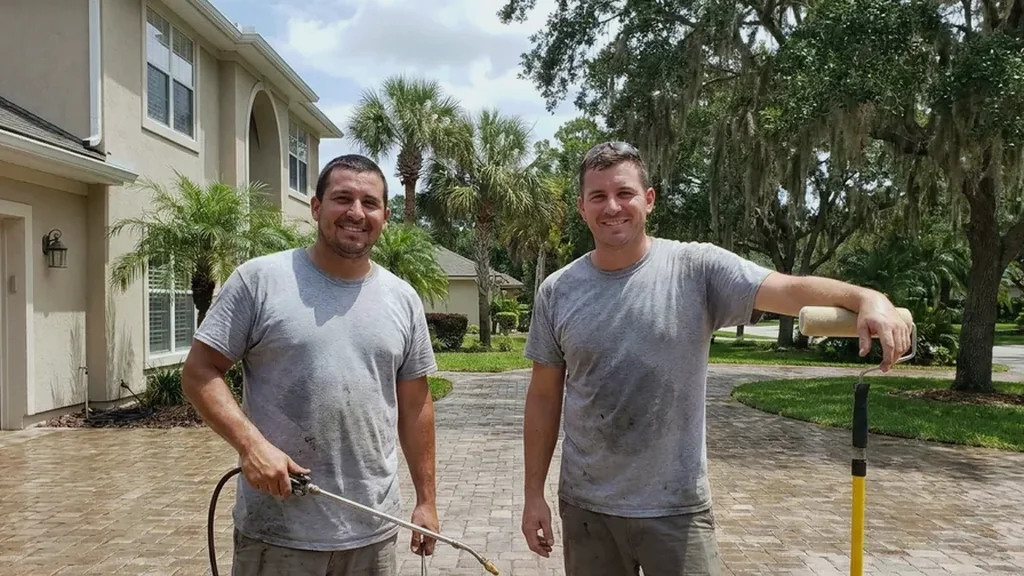
How does a paver sealing job work in Riverside?
Measure, test and ask about the past
The contractor walks your Riverside pavers, measures the area and notes the material, since brick and travertine take sealer differently from concrete. Any sunken or lifted section is marked, because a Jacksonville sealing company says sealing preserves the dip. If a coat is already on, water-based sealer cannot go over solvent-based sealer. Mention any past flooding on your lot as well. A route for the equipment is worked out at this stage, so nobody is surprised on the day.
Wash away moss, tannin and grime
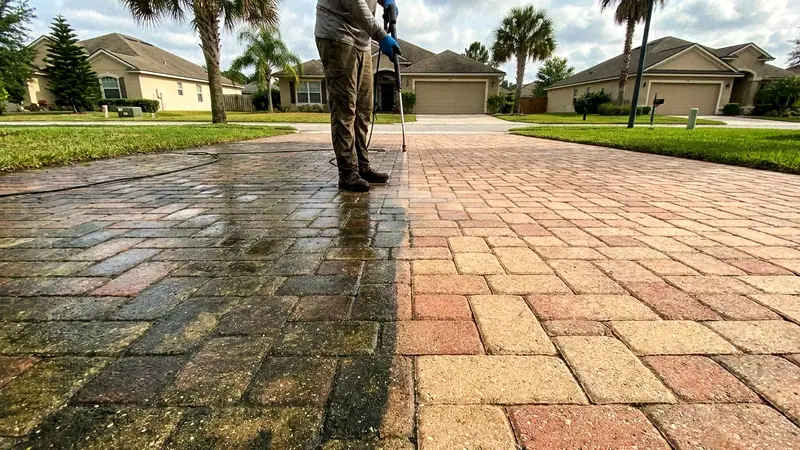
Cleaning clears moss, algae and the brown tannin left by oak leaves. Rust and oil spots are treated now, because sealer locks in whatever is there. Rinse water is kept off older wood siding and away from beds. Pool decks get extra attention at the water line, where chlorine splash dries white. Old brick gets a gentler touch, so the faces of the pavers are not scarred.
Fill the joints with fresh sand
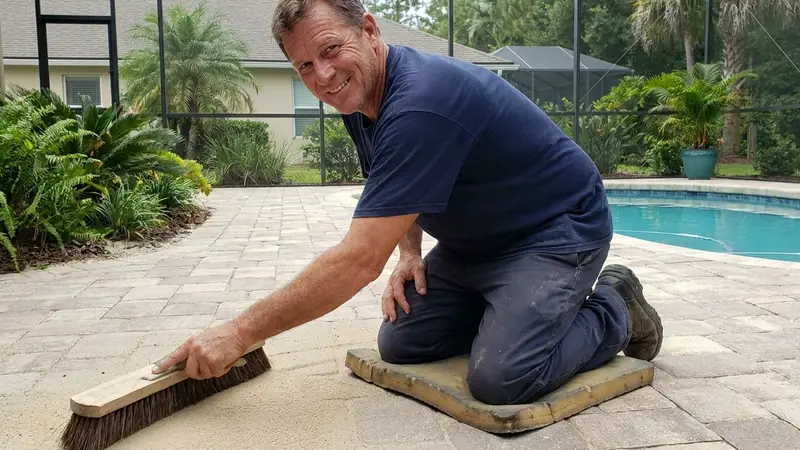
The wash takes out joint sand, which is why new sand goes in ahead of the coat. Lost sand lets joints widen and soil enter, and weeds follow. The joints are filled completely and the surface is swept. On a lot beside a creek or the river, the contractor may want the sand to settle before moving on. This is also the stage where a low corner is checked one last time.
Wait for dry pavers and a dry forecast
Sealer needs a dry surface, and Jacksonville's rain falls hard from May to September. A Jacksonville paver company says most sealer that turns white comes from sealing damp pavers or laying it on too thick. A shaded Riverside courtyard can stay damp longer than a sunny drive. The crew waits for a window instead of sealing over moisture. If a storm rolls in, the job simply moves to the next dry day.
Apply the finish and set the stay-off time
Crews typically spray the sealer and then back-roll it. One Jacksonville company lists finishes from natural matte to an enhanced wet look, and says wet look deepens color while matte keeps the natural look. Sealant needs 2 to 4 hours before foot traffic and 24 hours before vehicles, one company says. Ask which finish suits your house, and ask about the stay-off time for your own sealer.
Complete paver services in Riverside
A Riverside job runs wash, re-sand, dry and seal, in that order. Moss and tannin come off first, then joint sand goes back, and the coat goes on last so nothing dirty gets sealed under it. To ask how many days your pavers would take, call (904) 479-0914.
Front walks and courtyards in the older blocks are often brick or stone, and they take sealer differently from a concrete driveway. Driveways pick up oil and street-tree tannin, and pool decks pick up chlorine. Each surface gets its own treatment. Tell the contractor what you have when you get a free estimate.
Finish is the next choice. Natural matte keeps the old-brick look that suits a bungalow, and a wet look deepens color but shows scuffs sooner. Pool areas often get a penetrating sealer, which soaks in and leaves the surface less slick. Call (904) 479-0914 if you want help choosing between them.
Timing near the river depends on weather and on how fast the ground dries after rain. One company says its sealant needs about 24 hours to dry. A day that starts sunny can still be pushed by an afternoon storm. For a date that fits your street, get a free estimate.
Questions to ask before you hire
- How long before I can park a car on the driveway again?
- Can you send proof of insurance before the day of the job?
- Will you refill the joint sand that washes out during cleaning?
- How soon will my pavers need sealing again?
- What happens if rain comes the afternoon after the job?
- Will the estimate be in writing before I pay a deposit?
- Will sealing bring back the original color or only darken the pavers?
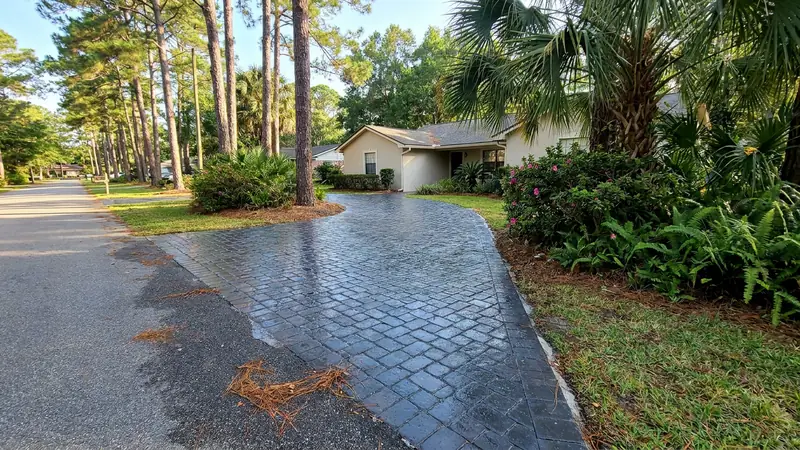
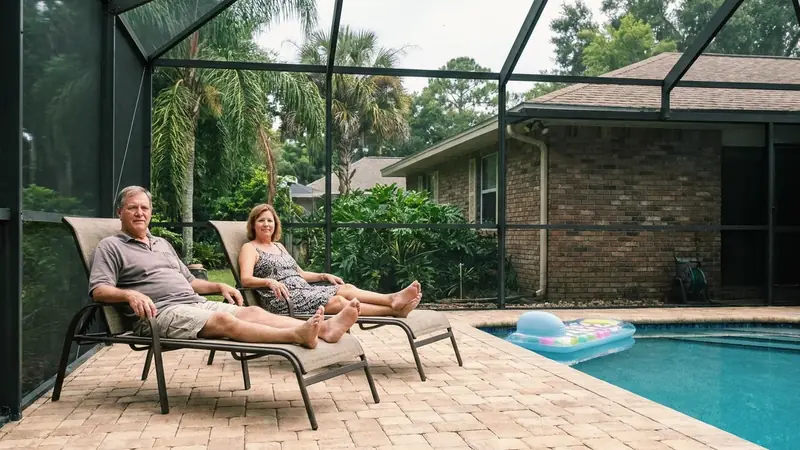
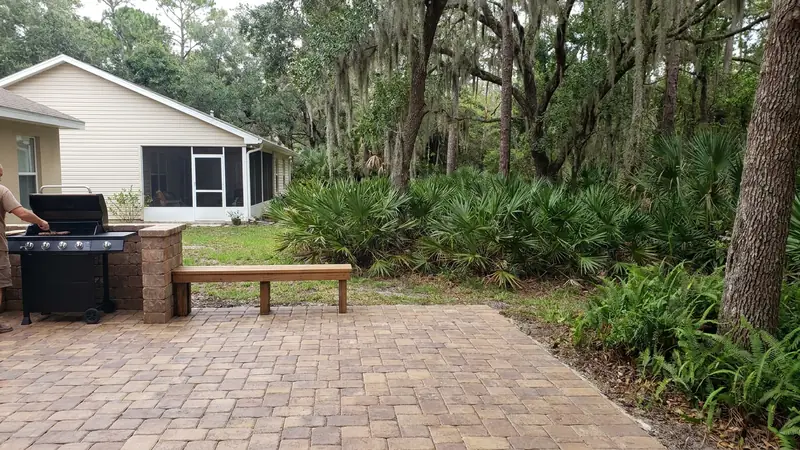
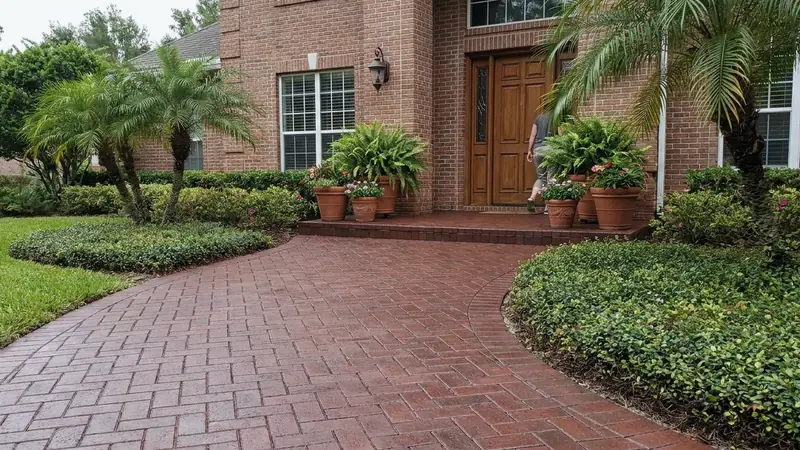
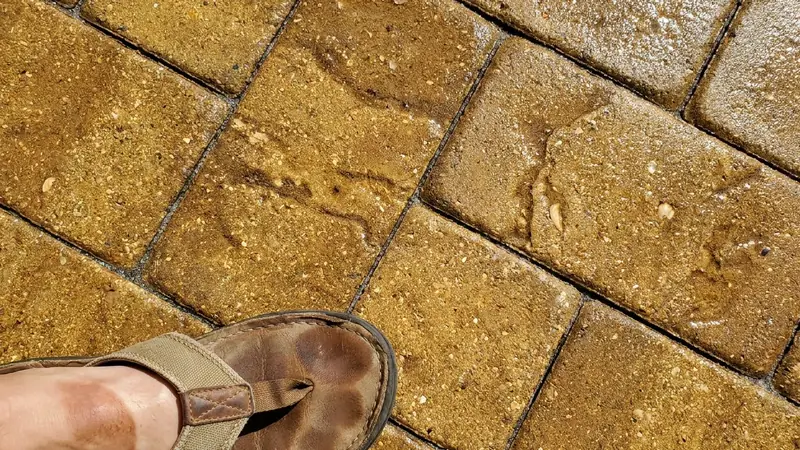
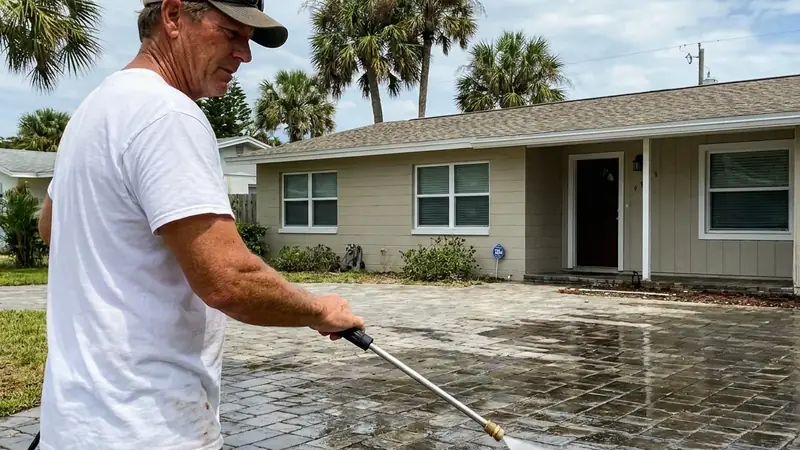
What do sealed pavers look like around Riverside?
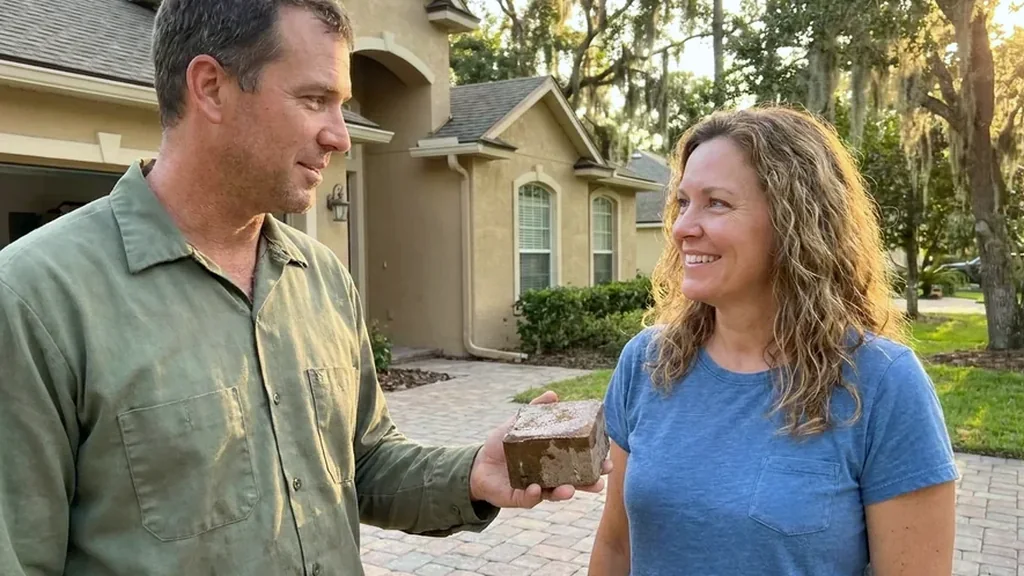
Why local matters in Riverside
Someone who works Riverside regularly knows which blocks flood and which stay dry. Osceola Street and St. Johns Avenue have taken water in storms, and Memorial Park has gone under more than once. That history tells the contractor how long a surface may stay damp. To talk with a contractor familiar with the Riverside side of Duval County, call (904) 479-0914.
Old neighborhoods also come with paperwork. Riverside Avondale requires a Certificate of Appropriateness before exterior changes, and a contractor used to the district knows to ask early. It also helps to know that one house may have brick, another stone and the next concrete. If your home is inside the district, get a free estimate and say so.
Shade changes the plan too. With so many aging oaks, a Riverside yard can look fine from the street while the back walk is green. A local contractor asks to see both. Say which trees shade your pavers when you call (904) 479-0914.
What should I know about Riverside before sealing my pavers?
Riverside is one of Jacksonville's oldest neighborhoods, platted in 1868 and annexed by the city in 1887. After the Great Fire of 1901 many displaced residents moved in, and Jacksonville likely has the state's greatest number of bungalows because of it. The Riverside Historic District, listed on the National Register in 1985, was Jacksonville's first. If you live in one of those older homes, get a free estimate for a free estimate.
Riverside Avondale has 26 parks covering more than 75 acres, and Willow Branch Park alone is 15.61 acres. Five Points has the Park Arcade Building from 1928, and the Riverside Arts Market meets under the Fuller Warren Bridge on Saturdays. The Cummer Museum of Art and Gardens opened in 1961. If you live near one of these Riverside spots, call (904) 479-0914 and name your street.
Frequently Asked Questions
Is it good to seal pavers in Riverside?
Yes, for most Riverside driveways, walks and pool decks. One Jacksonville company says unsealed oil and tannin stains can soak in for good, while sealed pavers rinse clean. Sealer also locks the joint sand in place. Brick and stone need a product suited to them. Concrete is simpler, but it fades without a coat.
What is the average cost to seal pavers in Riverside?
Around Northeast Florida, companies list $1.75 to $3.25 per square foot for the wash, the sand and the coat together. A small Riverside courtyard can land higher per foot, since smaller jobs cost more per square foot. Stripping an old coat adds to the price. Ask for the full square footage in writing so you can compare bids.
Is it a good idea to pressure wash pavers in Riverside?
A wash is part of every sealing job, since it clears algae, tannin and grime. It also pulls out joint sand, so the contractor puts fresh sand back before the coat. Sealing locks in whatever stays on the surface, so the wash is done first.
Will dish soap clean pavers in Riverside?
Cleaning is part of the contractor's job, so you do not need to test products first. A Jacksonville sealing company says sealer locks in whatever is on the surface. Leaving the cleaning to the contractor means stains, sand and old residue are handled in the right order.
Do I need city approval to seal pavers in the Riverside historic district?
It depends on your address. Jacksonville requires a Certificate of Appropriateness for exterior work in a historic district, and its page names site work such as driveways. The city says you can check your address on its map. Ask city historic planning staff before the job starts. Some Riverside homes sit outside the district, and the map shows which.
How often should a Riverside pool deck be resealed?
One Jacksonville paver company gives about 18 to 24 months for pool decks with chlorine or salt systems. Shaded patios with light foot traffic go about 24 to 36 months. Across all surfaces, the usual quoted gap is two to five years. Your deck's sun and splash decide where it lands.
Can brick or travertine pavers be sealed like concrete ones?
They can be sealed, but not the same way. A Jacksonville cost guide says brick, travertine and natural stone are more porous than concrete and need different sealer chemistry. Ask the contractor to name the product and the finish before work begins, especially on an older courtyard.
How long until I can use my pavers after sealing?
One Jacksonville company says its sealant needs 2 to 4 hours before foot traffic and 24 hours before vehicles. Another says to expect foot traffic within a few hours and cars off for about a day. Weather can change that, so ask what applies to your sealer. If a party or a delivery is coming, tell the contractor so the date can be set around it.
Nearby areas we serve
Ready for a Free Estimate in Riverside?
Call (904) 479-0914 and tell us about your pavers.
Free, no obligation